June 18, 2025
By admin
The government wants your property. Now what?
Expropriation—the legal process by which government authorities take private property for public use—can be unsettling for property owners. Whether it's for highway expansion, transit infrastructure, or public utilities, understanding your rights is crucial when facing expropriation in Ontario.
The Legal Framework
Ontario's Expropriation Act governs how government bodies can acquire private property. While expropriating authorities have broad powers, property owners have significant protections and rights throughout the process.
The law recognizes that expropriation represents a forced transaction. You didn't choose to sell. The government is compelling the transfer. Because of this reality, the law provides specific procedural requirements and compensation standards.
The Expropriation Process
Expropriation typically unfolds in stages:
Notice of Application for Approval
The expropriating authority must first notify you that it intends to seek approval to expropriate your property. This initial notice provides an opportunity to object before the expropriation is approved.
Approval and Registration
If approved, the expropriation plan is registered on title. At this point, the expropriation becomes official, though you retain ownership temporarily.
Notice of Expropriation
You'll receive formal notice that your property has been expropriated. This notice includes the date when legal ownership transfers to the expropriating authority—typically three months after the notice is served.
Possession
The expropriating authority takes possession of the property, usually 30 days after the transfer of ownership.
Throughout this process, time limits matter. Missing deadlines can forfeit important rights.
Your Right to Compensation
Ontario law requires "fair market value" compensation for expropriated property. But what does that mean in practice?
Fair market value represents what a willing buyer would pay a willing seller in an open market transaction. For expropriation purposes, this is determined as of the date the expropriation is approved—not when you're actually forced to leave.
Compensation typically includes:
The market value of the land taken
Damage to remaining property (if only part of your land is expropriated)
Disturbance damages (reasonable costs of relocating)
Special difficulty allowance in certain circumstances
Legal, appraisal, and other reasonable costs
The expropriating authority will provide an initial offer. You are not required to accept it.
Challenging Compensation
If you believe the offered compensation is inadequate—and many property owners do—you can request a hearing before the Ontario Land Tribunal. This independent tribunal determines fair compensation based on evidence from both sides, typically including expert appraisal testimony.
The tribunal process allows you to:
Challenge the expropriation's necessity
Contest the amount of compensation offered
Present your own valuation evidence
Argue for additional damages
Importantly, you don't bear the risk of rejection. If the tribunal awards you less than the authority's offer, you still receive the original offer amount. If the tribunal awards more, you receive the higher amount. This structure encourages authorities to make reasonable initial offers.
Partial Takings Create Unique Issues
When only part of your property is expropriated—common with road widening or utility corridors—unique valuation challenges arise.
The remaining property may suffer reduced value due to:
Awkward shape or reduced size
Loss of access or visibility
Proximity to new infrastructure
Changed highest and best use
These "injurious affection" damages are compensable under Ontario law. Calculating them requires sophisticated analysis of how the taking affects your remaining property's utility and marketability.
Business Impacts
If your property houses a business, expropriation creates additional complications. You may be entitled to compensation for:
Business relocation costs
Loss of goodwill if location-dependent
Fixtures and equipment that cannot be moved
Lost profits during transition
Documenting these damages requires careful financial analysis and often expert testimony.
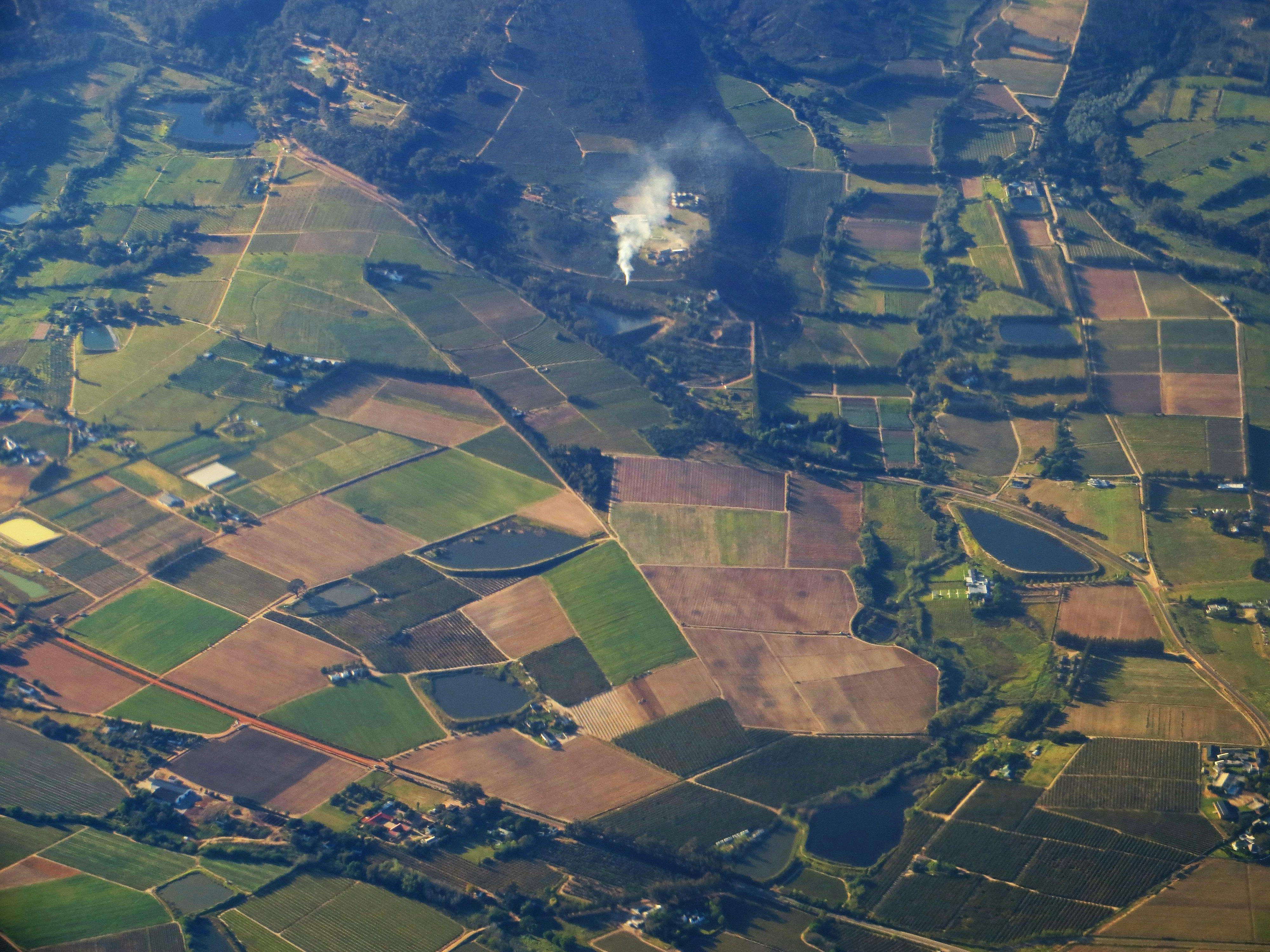
Agricultural Land Considerations
Farm expropriations present distinct challenges. Agricultural land valuation differs from residential or commercial property. Factors include:
Soil quality and drainage
Farm size and configuration
Access to markets and infrastructure
Specialized improvements (irrigation, drainage tiles, etc.)
When part of a farm is expropriated, remaining land may become less viable for agricultural operations. This impact on the farming enterprise itself is compensable.
Timing and Strategy
Property owners facing expropriation benefit from early legal advice. The process moves forward on statutory timelines, and rights can be lost through inaction.
Consider legal counsel when:
You first receive notice of potential expropriation
The compensation offer seems inadequate
Your business will be disrupted
Only part of your property is being taken
The expropriation affects development plans
Early involvement allows proper documentation of your property's value and any special circumstances affecting compensation.
Recent Developments
Ontario's expropriation landscape continues to evolve. Major infrastructure projects—highways, transit expansion, energy infrastructure—drive ongoing expropriation activity. Recent tribunal decisions have clarified compensation principles in various contexts, affecting how properties are valued and damages calculated.
Legislative reforms periodically adjust the balance between public infrastructure needs and private property rights. Staying informed about these changes matters when your property is at stake.
What Property Owners Should Do
If you're facing expropriation:
Document everything
Photograph your property. Gather documents showing its value, income, and any special features. Collect comparable sales data. Document any business operations.
Understand the timeline
Know when notices were served and when your response deadlines fall. Missing deadlines can eliminate important rights.
Get professional advice
Consult both legal counsel experienced in expropriation and a qualified appraiser. These professionals protect your interests and ensure fair compensation.
Don't rush decisions
You have time built into the process. Use it to understand your position fully before accepting any offer.
Consider all damages
Compensation extends beyond land value. Relocation costs, business disruption, and impacts on remaining property all factor into fair compensation.
The Path Forward
Expropriation disrupts lives and businesses. While you cannot prevent the government from taking property for legitimate public purposes, Ontario law ensures you receive fair compensation for what's taken.
Understanding the process, knowing your rights, and obtaining experienced advice help navigate this challenging situation. The goal is ensuring that when the government takes your property, you receive full and fair compensation for everything you've lost.
Need help with an expropriation matter? Contact Hodder, Wang to discuss your situation and protect your rights.
This article provides general information about Ontario expropriation law. It does not constitute legal advice for specific situations. Expropriation matters involve complex valuation and procedural issues that require professional guidance tailored to individual circumstances.
Perspectives at the Helm
Strategic insights on business law, litigation, and transactions from your experienced legal navigators.